The 12:00 scheduled topic for June 11, 2026 is “notable trends.” The collected source set focused on NET ViVi coverage of trend items and select shops, an @DIME article about the new squishy item “Melojoy,” and an ELLE article about dress trends including white dresses. The source coverage is too narrow to make broad claims about the whole market, but it is useful input for teams planning ecommerce pages, brand sites, landing pages, and social-content workflows.
The practical lesson is not to guess the single product that will sell next. Instead, separate the signals: a seasonal classic such as a white dress, a tactile and shareable item such as a squishy toy, and a curated shopping experience such as a select-shop feature. Once those signals are separated, it becomes easier to decide which pages to update, which search paths to improve, and which content assets to produce.
Key Points
- The collected sources lean toward fashion, youth-oriented goods, and select-shop curation, so they are best read as signals about discovery and purchase motivation.
- Visual trends such as white dresses require coordinated planning across photography, category naming, styling guidance, and alternative text.
- Tactile items such as squishy toys need video, reviews, size context, use cases, and safety notes because static photos cannot communicate the full experience.
- Select-shop style content shows the value of editorial curation: users often want a reasoned recommendation, not only a large product list.
1. Read Trend Articles as Planning Inputs, Not Sales Predictions
A common mistake is to copy only the product names or colors that appear in trend headlines. In this collection, NET ViVi-related items covered notable trend products and select shops, @DIME-related items discussed Melojoy as a new squishy item popular with young people, and ELLE covered a broader dress-trend story including white dresses. The useful insight is not simply that a store should buy a specific item. It is that people need a context for discovering, trusting, and sharing products.
For web and ecommerce teams, it helps to split trend information into four layers: category, use case, emotion, and evidence. Category means terms such as white dress, squishy toy, or summer accessory. Use case means commuting, travel, gifting, relaxation, or fan activity. Emotion means fresh, cute, calming, easy to choose, or low-risk. Evidence means photos, reviews, staff comments, stock status, sizing, comparison tables, and return conditions. Pages that cover all four layers are less likely to feel like thin trend-word content.
2. White-Dress Trends Need Visual and Search Alignment
Dress trends like those covered by ELLE are highly visual. A white dress can suggest freshness, summer, lightness, and easy styling, but ecommerce pages need more than a trend label. Product photos, wearing scenes, close-ups of fabric, transparency notes, washing guidance, and storage advice all matter. A title optimized for a trend phrase will not compensate for weak product information.
Implementation should connect filters, feature pages, related articles, and image alt text around the same intent. If a site creates a white-dress collection, it should not only gather white products. It should help users compare sleeve length, dress length, lining, washability, transparency, suitable shoes, and bags. Meaningful images should have alt text that describes the relevant product or styling detail, not just a generic phrase such as “white dress.”
3. Squishy-Toy Trends Must Translate Touch Into Digital Content
For an item like Melojoy, which the collected @DIME headline describes as a new squishy trend, a static image cannot explain the full appeal. Softness, bounce-back, size, sound, scent, portability, colors, and collectability all affect the buying decision. If the topic is framed for younger audiences, it is still not enough to say that the item is popular. The page should explain where it is used and why it is easy to share.
Useful ecommerce content can include short video, photos with a hand for scale, review excerpts, gift-use suggestions, and clear cautions. From an accessibility standpoint, videos should have captions or a nearby text explanation, and product variations should not rely only on color. For products aimed at children or younger users, age guidance, materials, choking-risk notes, and use instructions should be visible near the purchasing decision.
4. Select-Shop Curation Turns Editing Into Value
The select-shop angle in the NET ViVi-related item is especially relevant for ecommerce. When a site carries many products, users often do not want to inspect everything. They want to find something suitable quickly. That is where editorial axes matter: useful on rainy days, easy to pack for travel, suitable with a white dress, safe for first-time buyers, or good as a small gift.
This type of curation also supports internal linking. A feature page can lead to product detail pages, product pages can lead to styling articles, styling articles can lead to FAQs, and FAQs can lead to return or sizing guides. By contrast, a large number of thin pages built only around buzzwords can become stale and hard to maintain. A smaller number of stronger, updateable features is usually more realistic.
Turning Trend Signals Into Web Planning
| Observed Signal | Likely User Motivation | Web or Ecommerce Response |
|---|---|---|
| White dresses and dress trends | Seasonality, freshness, and a low-risk classic choice | Show fabric, transparency, length, styling scenes, and care notes. |
| Squishy toys and tactile goods | Calming touch, shareability, collectability, and gift appeal | Add video, scale photos, reviews, safety notes, and use cases. |
| Select-shop features | Less search effort and more trusted recommendations | Create feature pages, staff comments, use-case navigation, and related FAQs. |
| Similar themes across media | Interest tied to season and lifestyle rather than a single headline | Build updateable categories, articles, and internal links rather than disposable pages. |
Checks for Production and Operations Teams
- Review whether product category names match search terms and real use cases.
- Show publication or update dates on trend pages so stale features do not remain unmarked.
- Support visual information with body text, captions, alt text, and FAQs.
- Use claims such as “popular” or “best-selling” only when the evidence is clear.
- Even when using video or embedded social posts, make sure the page itself explains the key information.
- Connect feature pages naturally to size guides, return policies, delivery timing, and reviews.
Notes on Using AI for Trend Content
AI can help structure and translate trend content, but it should not be used to mass-produce headline rewrites. When the available source data is limited, the article should clearly say that the topic was identified from collected sources and avoid adding unsupported claims about sales, age groups, locations, or expert evaluations. Product names, dates, sources, stock, prices, and rights issues still need human confirmation.
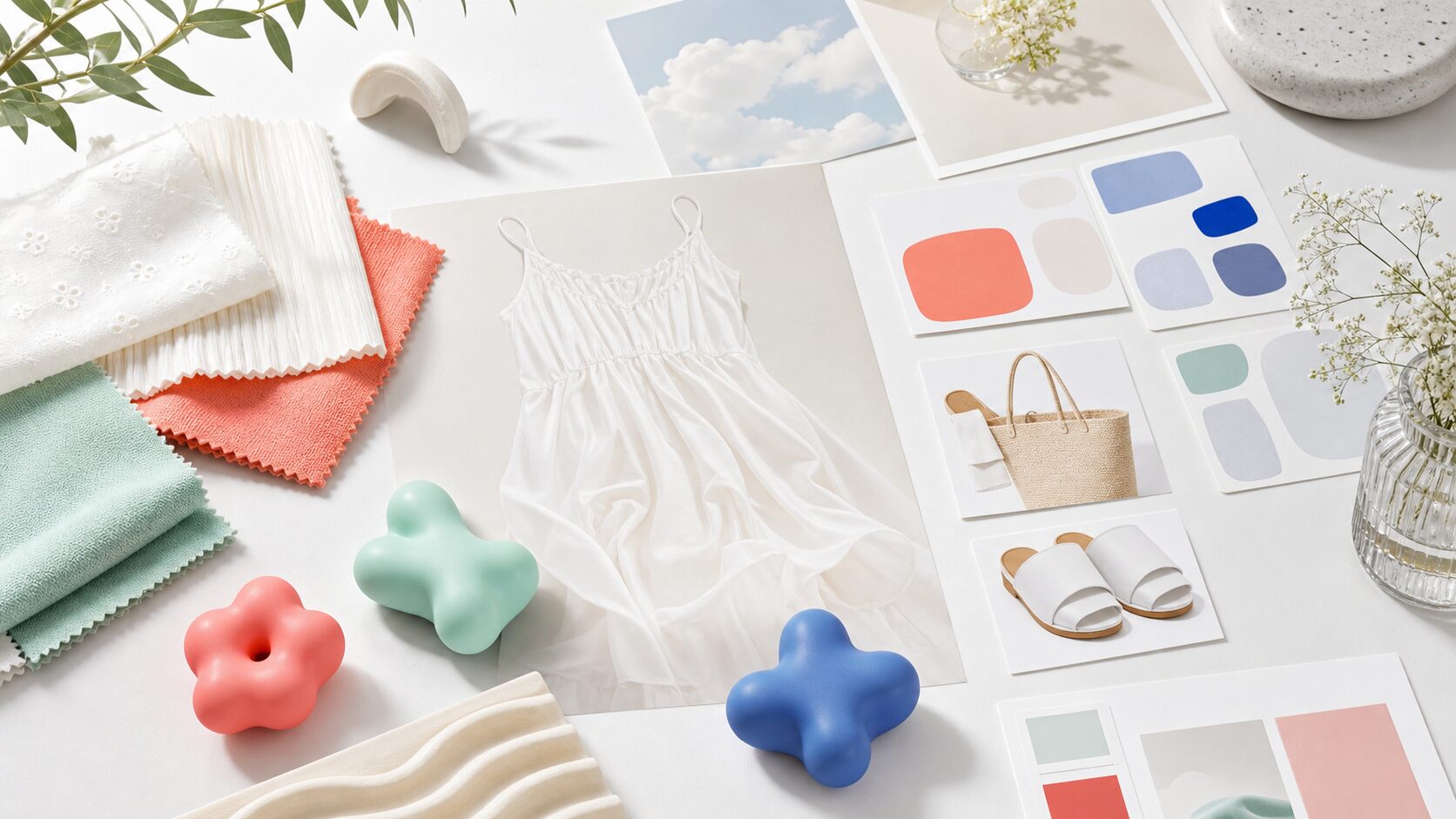
Generated images also need care. Avoid real brand logos, real people, and fake screenshots. An abstract editorial image, like the one used for this article, can communicate the trend-planning mood without pretending to be evidence of a real product or dashboard. If the image carries meaning, write useful alternative text that matches the article.
FAQ
Should small ecommerce sites create trend features?
Yes, but keep the format maintainable. Instead of creating a new page for every buzzword, update seasonal guides or use-case pages with trend elements.
How often should trend pages be updated?
Monthly or seasonal updates are realistic for fashion and lifestyle goods. Sudden social trends can use short updates, while search-oriented topics should become longer-lasting categories or guides.
When is it safe to say a product is popular?
Use that wording only when you have evidence such as sales data, rankings, review volume, official statements, or clear media coverage. If evidence is limited, use softer wording such as “featured,” “getting attention,” or “covered as a trend.”
Sources
- Yahoo News / NET ViVi: trend items and select-shop coverage
- Yahoo News / @DIME: Melojoy squishy item coverage
- ELLE: dress trends including white dresses