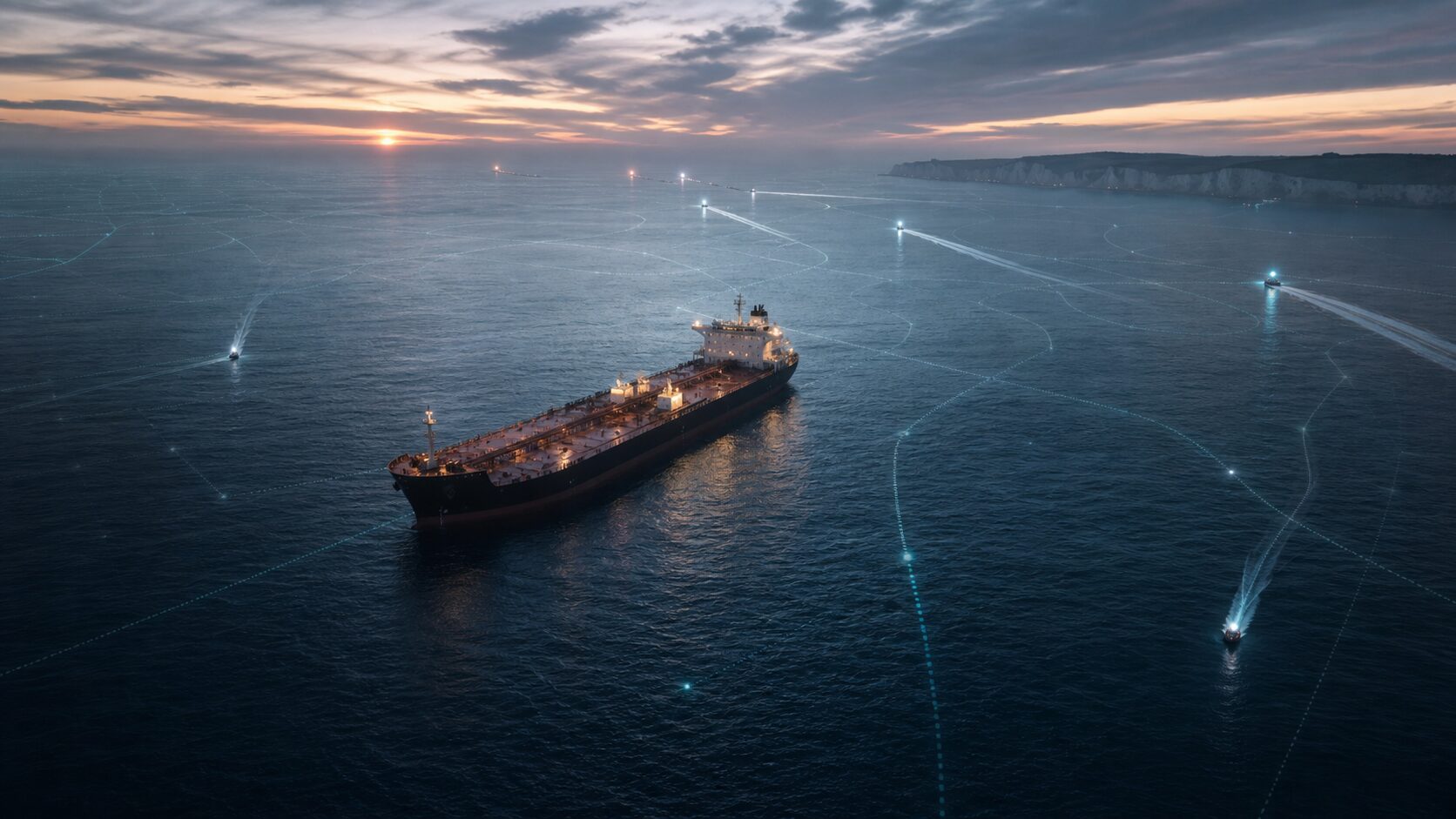
Britain detained a tanker in the English Channel on June 14, 2026, in a case that could mark a sharper phase of Western sanctions enforcement against Russia’s oil network. The vessel, reported by AP News as the Cameroon-flagged Smyrtos, is suspected of being linked to the so-called shadow fleet used to move Russian oil despite sanctions and restrictions tied to the war in Ukraine.
The significance is not only the seizure of one ship. Russia-related oil sanctions depend on insurers, ports, banks, ship registries, and traders treating questionable cargoes as legally and commercially risky. If vessels can change flags, obscure ownership, and keep moving through key sea lanes, the sanctions regime loses force. A direct boarding in one of Europe’s busiest maritime corridors sends a different message: enforcement may increasingly happen at sea, not only on paper.
What happened
According to AP and other outlets, British forces detained the tanker while coordinating with French authorities. Reports described the involvement of Royal Marines, the National Crime Agency, naval assets, and aircraft. The vessel was said to have departed Ust-Luga in northwestern Russia and to have been bound for Port Said, Egypt. Details around the cargo, legal process, and evidence will need to be tested through official procedures, so the clearest point at this stage is that Britain acted on suspicion of sanctions evasion linked to Russian oil shipping.
Ukraine welcomed the operation as a step toward limiting revenue that can support Russia’s war. For European governments, the case is also a test of whether sanctions can be enforced without creating avoidable escalation, unsafe maritime incidents, or legal uncertainty for legitimate shipping.
Economic impact
One tanker seizure does not automatically move global oil prices. Crude markets respond to supply volumes, OPEC+ policy, Middle East risk, demand in China and India, inventories, and currency conditions. The more immediate impact is likely to fall on the cost of moving Russian-origin oil. If similar boardings become more common, owners, charterers, insurers, and buyers may demand bigger discounts or avoid higher-risk vessels altogether.
That matters because the shadow fleet is designed to reduce the practical reach of sanctions. More aggressive enforcement can make those routes longer, financing harder, and insurance more fragile. It may also benefit compliant shipping operators by narrowing the cost advantage of opaque competitors. The trade-off is that energy logistics could become more expensive and less predictable if enforcement creates congestion, diversions, or legal disputes over cargoes.
Social and security impact
For the public, the operation connects a distant war with everyday systems: shipping lanes, insurance contracts, port access, and fuel prices. It may strengthen confidence among Ukraine’s supporters that sanctions are more than symbolic. It may also raise questions about how far governments should go in using military and law-enforcement tools to police commercial vessels.
There is also a safety dimension. Shadow-fleet vessels are often described as older, poorly insured, or deliberately opaque. More interceptions could put pressure on seafarers and coastal authorities, especially if a vessel is damaged, refuses instructions, or lacks clear insurance cover for pollution or salvage. Enforcement will be more credible if it is transparent about legal grounds, crew treatment, environmental safeguards, and the chain of responsibility for cargo and ownership.
What to watch next
- Whether Britain treats the seizure as a one-off operation or part of a wider European enforcement pattern.
- How authorities handle the vessel, crew, owner, operator, insurer, and cargo through legal channels.
- Whether Russia responds by changing routes, increasing escorts, shifting flags, or using more opaque ownership structures.
- Whether oil markets price in higher transport risk rather than a direct loss of supply.
The case shows that sanctions are entering a harder phase. The question is no longer only which vessels are listed, but whether governments can close evasion routes while preserving legal discipline, maritime safety, and energy-market stability.
Sources
- AP News: Britain detains sanctioned oil tanker believed to be linked to Russia’s shadow fleet
- The Guardian: UK politics live coverage on the tanker interception
- El País: British special forces board a Russian shadow-fleet tanker
- Collected RSS item: Al Jazeera and other coverage via Google News