What Happened
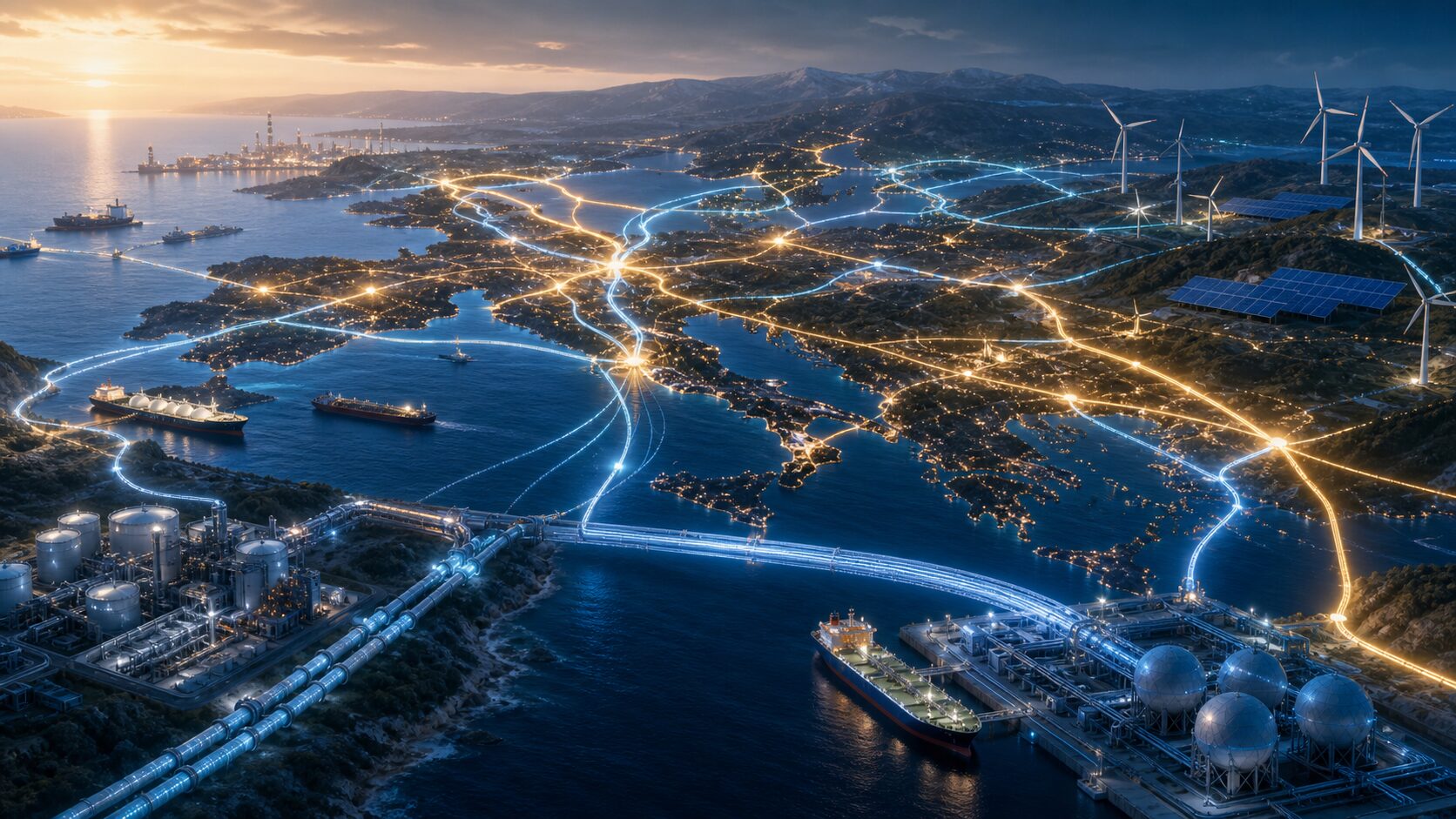
AP reported that the disruption linked to the Iran war has pushed Europe to look harder at alternative energy and trade routes. The options under discussion include the India-Middle East-Europe Economic Corridor, Eastern Mediterranean power cables, Gulf energy partnerships, and renewable infrastructure.
The issue is broader than whether one chokepoint is open today. Europe is still adjusting to the loss of Russian energy dependence and now faces the added risk that Middle Eastern conflict can again unsettle fuel, fertilizer, and shipping markets.
Background and Stakeholders
The stakeholders include the EU, member states, India, Gulf governments, Israel, Cyprus, energy firms, grid operators, port authorities, and consumers. Cross-border infrastructure succeeds only when diplomacy, finance, permitting, and local consent move together.
Economic Impact
Diversified routes can act as insurance against future price spikes and supply stoppages. But pipelines, ports, cables, storage, and renewable assets require large capital commitments and years of planning.
Even before completion, the debate shapes investment decisions, long-term power contracts, LNG procurement, and industrial policy. Energy-intensive manufacturers will watch whether Europe can turn political urgency into bankable projects.
Social Impact
A more resilient supply system can reduce household exposure to sudden energy bills and protect jobs in sectors vulnerable to fuel costs. That matters for energy poverty and public trust.
Large infrastructure also carries local costs: land use, environmental effects, construction disruption, and tariff questions. Security arguments will not remove the need for community-level legitimacy.
Practical Implications
Companies should assess route risk, contract duration, supplier concentration, and renewable coverage together. Governments need stable investment rules before the next crisis rather than improvised buying during it.
What to Watch
The next indicators are financing for IMEC-related projects, progress on electricity interconnectors, EU member-state alignment, and Gulf participation. Announcements matter less than permits, contracts, and construction milestones.
Source Limits
The reporting describes policy direction, not settled project economics. Cost, timing, environmental review, and commercial terms remain uncertain.
Sources
- https://apnews.com/article/6b36dd445b6ff2b77c0a4308fb2f7e4d
- https://news.google.com/rss/articles/CBMiowFBVV95cUxPOWNsSVlabm04MzIza3AxOFlWZkhzQUJDTXB5YWZTa2ZwY090WU9tZFhYYkFReHdzMmU2NndsYW5PUV9BU3dBZW1WMFdEU0JHSEZUYm5FaF9OZFMta29MRkNOWlFzSGNTd2RUN1JvcXR5TnZEbjQxQ3NvdTVFTERISVRyY2UtbERuMnU0V0VnY09PbTgyZVpnRks0cnN3Mi1FOWFn?oc=5
- https://www.businessinsider.com/us-iran-deal-strait-of-hormuz-blockade-oil-2026-6
- https://news.google.com/rss/articles/CBMicEFVX3lxTE4xZ2dPMVI1Yk9qVGVxbmxLNjJQT1dWSmlnRXFIRkVfSVJET0psbkhveU9sZ0J2YXhSMHhDaEJWYnh3SmtTc2tzOFZzM3JHZWIxbjJSN3ZnS3RlQ0FIaTNrNEVGRlc5ZmlvWFpKRklUZ3DSAXZBVV95cUxQZjJoTE42NUlYaEx2Q3dmWVViVGFNUmQzZjVKYXNFS0NzMm0xeFd3OEdodEFLcEhOS0Z5LU9ybEdGNUxQTm9FVFpETHlPeGR3cU1xRXVUVjlhdTRKa1Q4M2dSTEp4ZG1kcm02VUZhc3hDWVd1OXR3?oc=5