What Happened
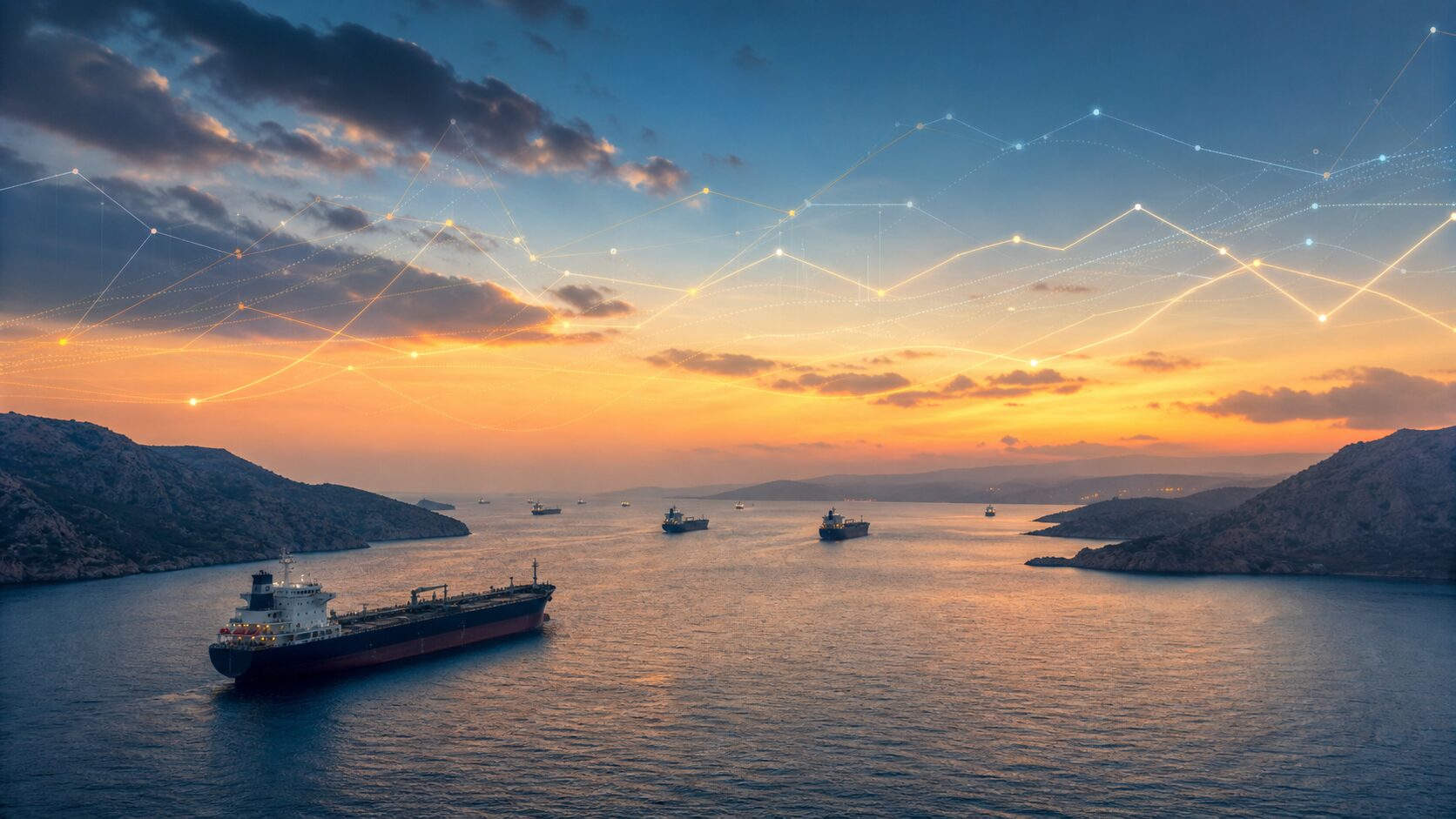
Reports on June 18 said the United States and Iran had signed an initial arrangement to extend a ceasefire and reopen the Strait of Hormuz. Ship movements began to improve, while oil and gasoline markets priced in a measure of relief from a disruption that had been feeding into transport and household costs.
The deal is better understood as a shift from acute crisis to implementation risk. Live reporting still pointed to unresolved talks, regional flashpoints, and uncertainty over whether all parties will observe the arrangement in practice.
Background and Stakeholders
The Strait of Hormuz is a core route for Middle Eastern oil and LNG. Any restriction affects refiners, airlines, shipping companies, insurers, Gulf governments, Asian and European importers, and households exposed to fuel prices.
For markets, the legal text matters less than confidence. If shipowners still see a risk of seizure, attack, toll disputes, or sudden closure, freight and insurance costs can remain elevated even when the route is formally open.
Economic Impact
The near-term impact is a lower risk premium across crude oil, gasoline, shipping insurance, and fuel-sensitive sectors. That can ease inflation expectations and give central banks and fiscal authorities more room to wait before adding emergency measures.
The pass-through will not be instant. Inventories, hedges, port congestion, route schedules, and insurance terms all create lag between a diplomatic announcement and lower prices for consumers or manufacturers.
Social Impact
Lower fuel prices can help commuters, small businesses, food distributors, and households that have absorbed months of transport-related inflation. Even a temporary easing can matter for public confidence.
At the same time, the deal does not erase insecurity for people living around the conflict zone. Reports of continuing tensions in Lebanon and the wider region mean humanitarian and public-safety risks remain separate from market relief.
Practical Implications
Energy-intensive firms should treat the reopening as a chance to review procurement, inventory, freight cover, and currency exposure rather than as proof that the shock has ended. Governments face a similar timing question on fuel support and strategic reserves.
What to Watch
The key signals are verified vessel traffic, insurance premiums, follow-up talks, and whether regional incidents are contained. Markets will need sustained evidence over weeks, not just a single announcement.
Source Limits
The sources reflect reporting shortly after the agreement. Details on enforcement, monitoring, breach response, and actual traffic volumes may change as documents and shipping data become clearer.
Sources
- https://www.businessinsider.com/us-iran-deal-strait-of-hormuz-blockade-oil-2026-6
- https://www.theguardian.com/world/live/2026/jun/18/middle-east-crisis-live-us-iran-presidents-sign-peace-deal-mou-trump-tehran-strait-of-hormuz-toll-lebanon-israel
- https://news.google.com/rss/articles/CBMiqwFBVV95cUxNOWd4Vk9BdlhaOFVPVmNnNk1Ed0ZzZnhaY2I1dkJfa2J6eWllMzBCamIwMkI3ckpEdUhZZzZWVEx6TUNNMFVCaVBSYlpJakx5NE43NzZSNE1Qa0YyUkpTdVh2T1RIcTNycU1Tb19zcTZFMXd3T1llREwzNWRublQ1TENNd1dqaVJMZ1hldXA0RlYzS3lQSG5iellIanVyV1A4bENOaDNNRVRSRHfSAbABQVVfeXFMTUpVb3lFb1VERy1YUDluX3lkWU8tN2huYzVkaXVRc2wzejBBdkc3d1hYQUxvX2pVdTJuWE9ZTXZFcGs0RzRzTzNfX2xZOWJ0cDdpbVJYNGdHOW42ZUhTejRiY1hMeURIWXNMaGJCcmMyQkF1NlEtVWtwcXlLZUh1cDJ1MHB0cFhQMkdOcnNUNXJiUWdhWDYtdHl5QkZRU2M1ZHBCVmdXa01mODFXbUNoZ08?oc=5
- https://news.google.com/rss/articles/CBMicEFVX3lxTE4xZ2dPMVI1Yk9qVGVxbmxLNjJQT1dWSmlnRXFIRkVfSVJET0psbkhveU9sZ0J2YXhSMHhDaEJWYnh3SmtTc2tzOFZzM3JHZWIxbjJSN3ZnS3RlQ0FIaTNrNEVGRlc5ZmlvWFpKRklUZ3DSAXZBVV95cUxQZjJoTE42NUlYaEx2Q3dmWVViVGFNUmQzZjVKYXNFS0NzMm0xeFd3OEdodEFLcEhOS0Z5LU9ybEdGNUxQTm9FVFpETHlPeGR3cU1xRXVUVjlhdTRKa1Q4M2dSTEp4ZG1kcm02VUZhc3hDWVd1OXR3?oc=5